The NCLEX prep journey is one of the final steps on your path to becoming a nurse. It’s the test that determines whether you’re ready to transition from nursing student to licensed professional. And while the pressure is real, so is your ability to prepare, plan, and pass—without burning out.
In this post, we’ll walk through proven NCLEX prep strategies that have helped thousands of nursing students pass the exam on their first try.
Understand the NCLEX Format
The NCLEX is a computer adaptive test (CAT), which means it adjusts the difficulty of questions based on your responses. The test ends when it’s confident about your competency—so no two exams look exactly the same.
It’s not just about memorization. The NCLEX is designed to test how safely and consistently you can apply knowledge in real-world nursing scenarios. Expect question types like:
- Select-all-that-apply
- Prioritization and delegation
- Hot spot and drag-and-drop
- Fill-in-the-blank math and dosage questions
The more familiar you are with the format, the more confident you’ll feel on exam day.
Choose High-Quality NCLEX Prep Resources
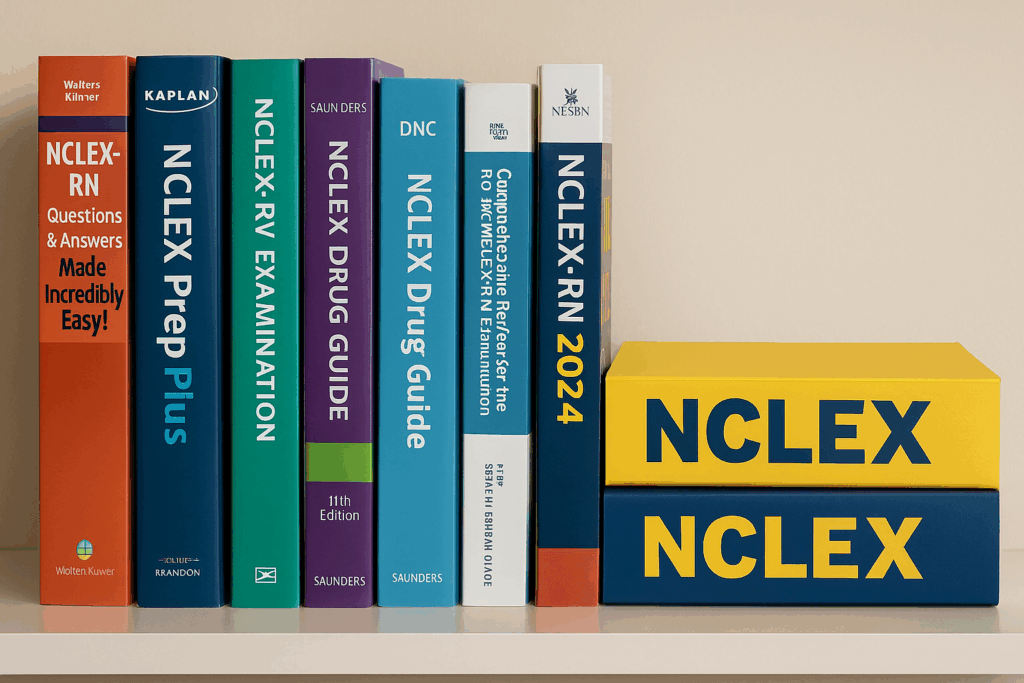
There are hundreds of NCLEX prep tools out there—but not all of them are effective. Choose one or two high-quality resources and commit to using them consistently.
Popular platforms include:
Look for programs that mimic the actual NCLEX format and offer detailed rationales for answers, not just practice questions.
Build a Study Plan That Works for You
Create a schedule that fits your life and stick to it. A smart NCLEX prep plan should:
- Spread over 4–8 weeks (depending on your availability)
- Include both content review and practice questions
- Prioritize your weak areas
- Include at least one or two full-length practice exams
Studying every single topic equally isn’t efficient. Focus more time on areas where you consistently struggle.
Practice With Purpose
Don’t just do questions to rack up numbers—practice with the goal of understanding why the correct answers are right, and why the wrong ones are wrong. Review every rationale, even when you get the question right.
Practice in blocks of 25–75 questions per session, and simulate full-length tests at least twice during your prep.
Review Core Nursing Concepts
You don’t need to memorize everything, but you do need a strong grasp of high-yield topics. Prioritize:
- Infection control and PPE
- Safety and risk reduction
- Delegation and prioritization
- Pharmacology and side effects
- Health promotion and maintenance
Use quick reference guides or short video reviews to reinforce these critical concepts.
Mimic Testing Conditions
Train your brain to stay sharp for a full test session. Set up a quiet room, use a timer, and take a full-length practice exam without interruptions. Doing this helps build mental stamina and reduces anxiety when it’s time for the real thing.
Manage Your Mindset
Even the best NCLEX prep plans can fail if test anxiety takes over. Stay grounded by:
- Taking regular breaks
- Eating well and staying hydrated
- Getting enough sleep (especially the night before the test)
- Using breathing exercises or mindfulness tools
A calm mind performs better—especially under pressure.
Trust the Work You’ve Put In
You’ve already made it through nursing school, clinical rotations, and countless exams. You have what it takes. The NCLEX is tough, but it’s not designed to trick you—it’s designed to test your ability to protect patients and make safe clinical decisions.
Stay steady, stay focused, and trust your preparation.
Final Thoughts
NCLEX prep isn’t about perfection—it’s about progress. By combining consistent study habits, smart resource use, and test-day strategy, you’ll be ready to pass with confidence. And when that pass notification comes in, you won’t just have a license—you’ll have proof that all your hard work was worth it.
Take the process seriously, take care of yourself, and believe in your ability to succeed. You’re closer than ever to starting your nursing career.

Emily Carter, RN, BSN is a seasoned registered nurse with over 15 years of clinical experience across acute care, med surg, and patient education. She is passionate about helping nursing students build confidence and succeed on the NCLEX through practical, real-world focused practice questions.